
 Pin it
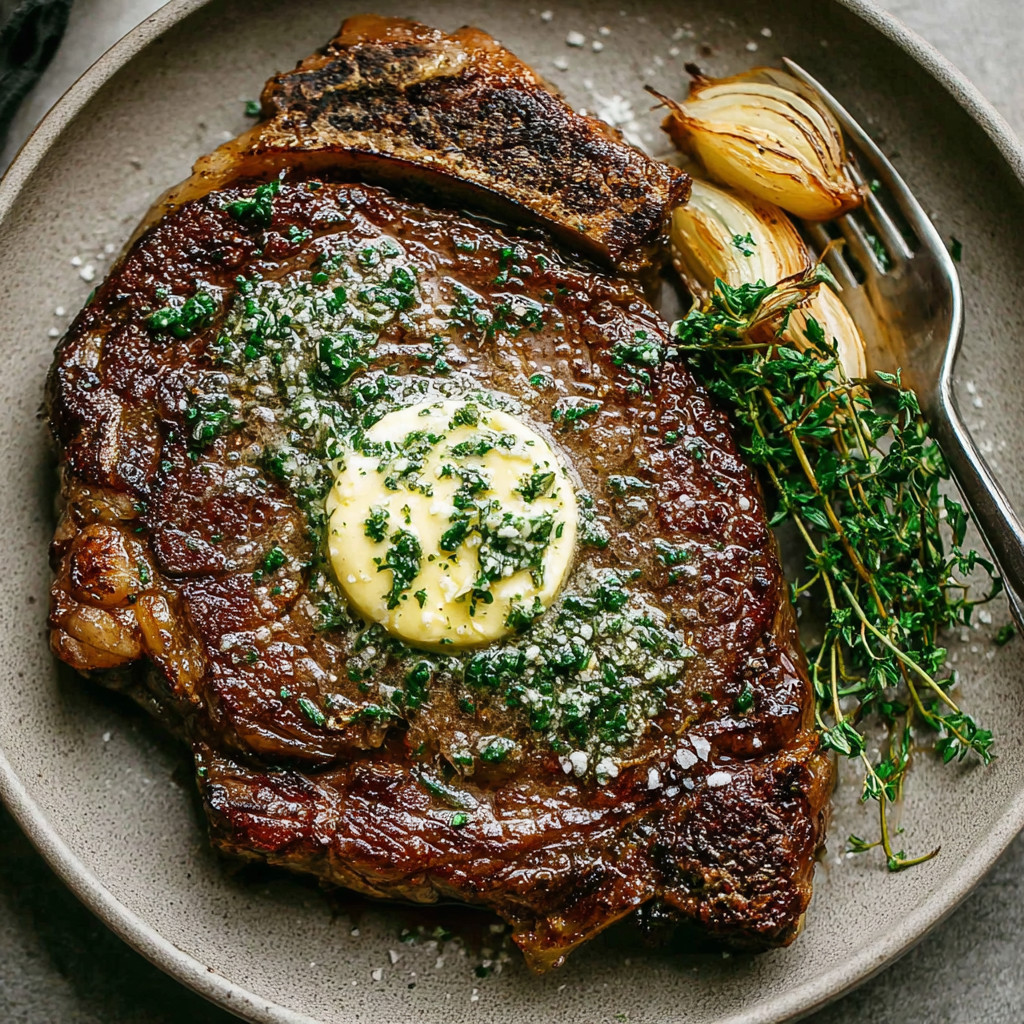
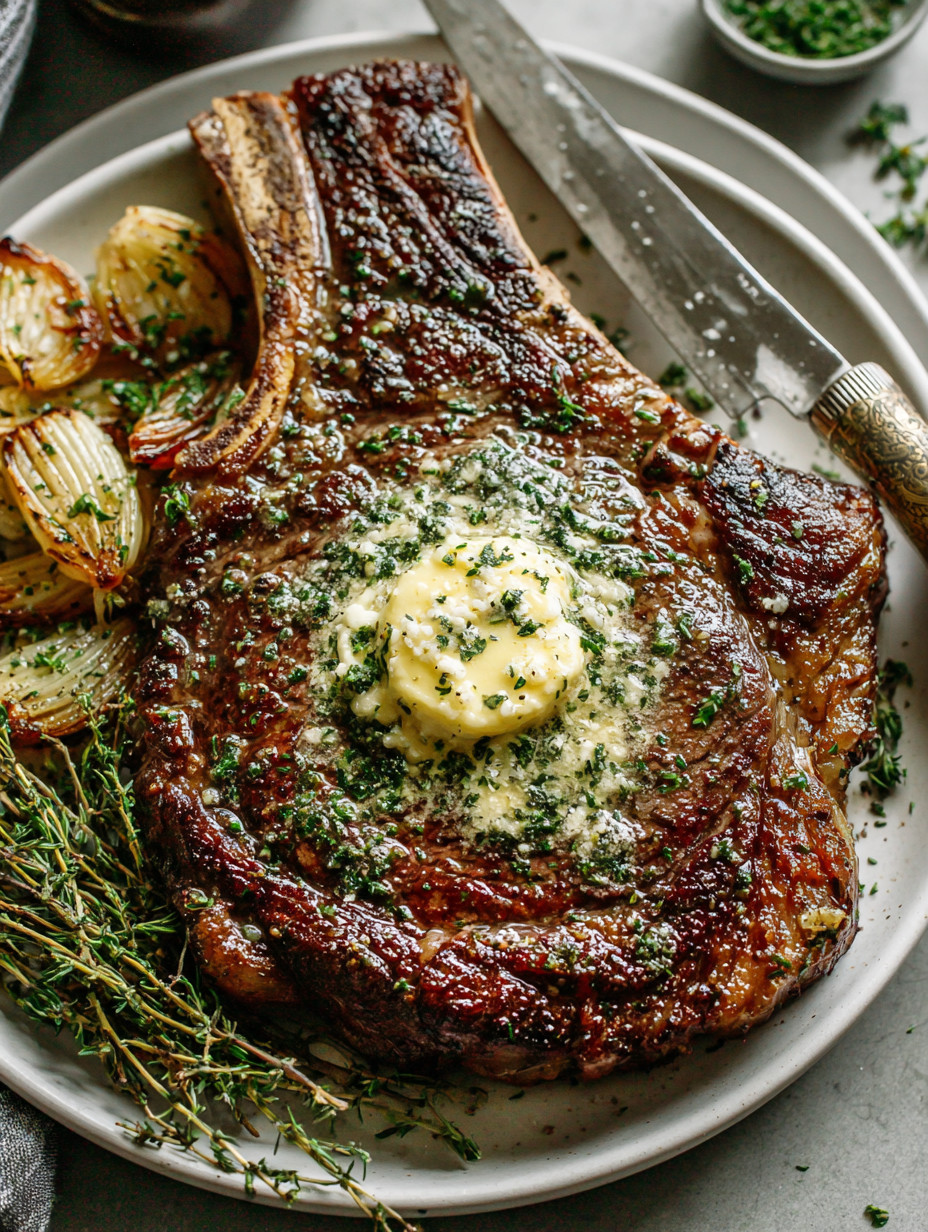
This pan-roasted ribeye with parsley butter is an indulgent way to enjoy steak that delivers bold flavor and a luxurious finish. The rosemary-scented butter melts into the meat creating a perfect balance of herb freshness with rich juiciness that steak lovers will appreciate. It’s a recipe designed to elevate a simple cut into a memorable meal.
I first made this dish on a chilly weekend when I wanted something fancy without fuss. Now it’s a go-to when I want that restaurant-quality steak at home.
Ingredients
- Ribeye steak: Choose a cut with good marbling as it ensures tenderness and flavor
- Kosher salt: Helps bring out the natural flavors of the meat without overpowering it
- Freshly cracked black pepper: Adds a subtle heat and complexity to the steak
- Cooking oil: Opt for a neutral high smoke point oil like canola or grapeseed for searing
- Shallots: Caramelize them to release sweet notes that complement the beef
- Garlic: Adds aromatic warmth, fresh is best for vibrant flavor
- Fresh herbs such as thyme or rosemary: Optional but they lift the overall aroma beautifully
- Butter: Use unsalted to control the seasoning when making the parsley butter
- Fresh parsley: Finely chopped to ensure every bite has a burst of bright herbal freshness
Step-by-Step Instructions
- Sitting your steak:
- Allow your ribeye to rest at room temperature for thirty to forty-five minutes before cooking to guarantee even cooking throughout the steak.
- Making parsley butter:
- In a small bowl, thoroughly blend softened unsalted butter with finely chopped fresh parsley until well combined. Set aside for topping later.
- Preheating the oven:
- Preheat your oven to three hundred seventy-five degrees Fahrenheit to have it ready for roasting after the sear.
- Seasoning the steak:
- Pat your ribeye dry with paper towels. Generously season both sides with kosher salt and freshly cracked black pepper to enhance the natural flavors.
- Searing the steak:
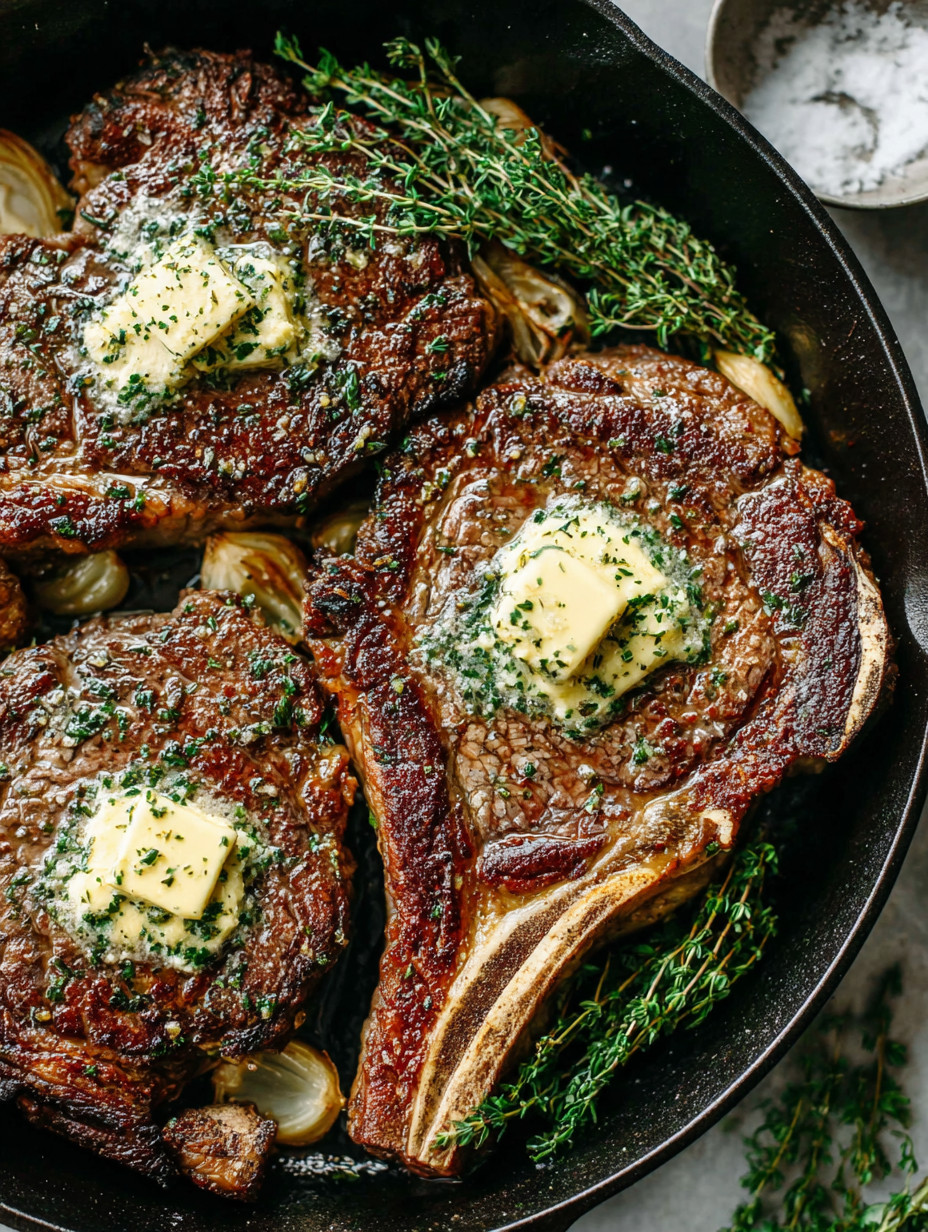
- Heat a twelve-inch cast-iron skillet over medium-high heat. Add the cooking oil and once shimmering, place the steak in the pan. Sear for about four to five minutes without disturbing it until a beautiful crust forms.
- Flipping and adding aromatics:
- Flip the ribeye to the other side and immediately add the shallots, minced garlic, and optional fresh herbs like thyme or rosemary to the skillet to infuse their flavors.
- Roasting in the oven:
- Transfer the skillet carefully to the preheated oven and roast the steak for an additional three to four minutes depending on thickness and desired doneness.
- Resting the steak:
- Remove the skillet from the oven and transfer the steak to a cutting board. Tent it loosely with foil and let it rest for ten minutes. Resting allows juices to redistribute ensuring every bite is juicy and tender.
- Serving:
- Slice the ribeye against the grain for maximum tenderness. Serve topped generously with the prepared parsley butter and spoon some of the cooked shallots and garlic from the skillet over the top.
 Pin it
I adore the parsley butter because it brightens the steak’s rich flavor without competing with it. When I serve this, the buttery parsley melting over the warm ribeye always brings appreciative smiles around the table.
Storage Tips
If you have leftovers wrap the steak tightly in foil or an airtight container and refrigerate for up to two days. Reheat gently in a skillet or oven to avoid drying out the beef. The parsley butter can be refrigerated separately and added fresh after reheating. Avoid freezing cooked steak as it can lose its texture but you may freeze the raw seasoned steak for up to a month before cooking.
Ingredient Substitutions
- If you cannot find ribeye try a New York strip or sirloin steak but be aware the cooking times and texture will vary.
- Shallots can be swapped with finely chopped sweet onions though you will lose some subtlety in flavor.
- Use dried herbs if fresh are not available but reduce quantity as dried herbs are more potent.
- For butter alternatives, ghee or compound butter blends can work but fresh unsalted butter is best for the classic flavor here.
Serving Suggestions
- Pair this ribeye with roasted garlic mashed potatoes and steamed green vegetables like asparagus or broccolini for a balanced dinner.
- A red wine sauce or a béarnaise sauce can add another layer of richness if you want to elevate the dish further.
- A crisp green salad with a lemon vinaigrette provides a refreshing contrast that cuts through the buttery steak.
 Pin it
Cultural Context
The ribeye steak is a classic American favorite that celebrates prime beef with its rich marbling. Pan roasting was historically a practical way to cook thick cuts evenly combining searing for flavor with oven roasting for tenderness. Parsley butter has its roots in European cooking, providing a simple herbaceous accent that enhances meat dishes across cuisines. This recipe brings those traditions together in a straightforward but elegant way.
Frequently Asked Questions
- → What is the best cut for this pan-roasted dish?
Choose a well-marbled ribeye steak for optimal tenderness and flavor, as the fat melts during cooking enhancing juiciness.
- → Why should the steak rest after cooking?
Resting allows the meat's juices to redistribute, preventing loss of moisture when sliced and ensuring a juicy, tender bite.
- → Can other herbs be used instead of parsley in the butter?
Yes, herbs like thyme, rosemary, or chives can be mixed into the butter for different aromatic profiles.
- → How do shallots contribute to the dish?
Shallots caramelize during cooking, adding a subtle sweetness and depth that balances the savory richness of the steak.
- → What type of oil is preferred for searing?
Use oils with a high smoke point such as canola or grapeseed oil to achieve a perfect sear without burning.
- → Is it necessary to bring the steak to room temperature before cooking?
Yes, allowing the steak to sit at room temperature ensures even cooking and helps develop a better crust.