
 Pin it
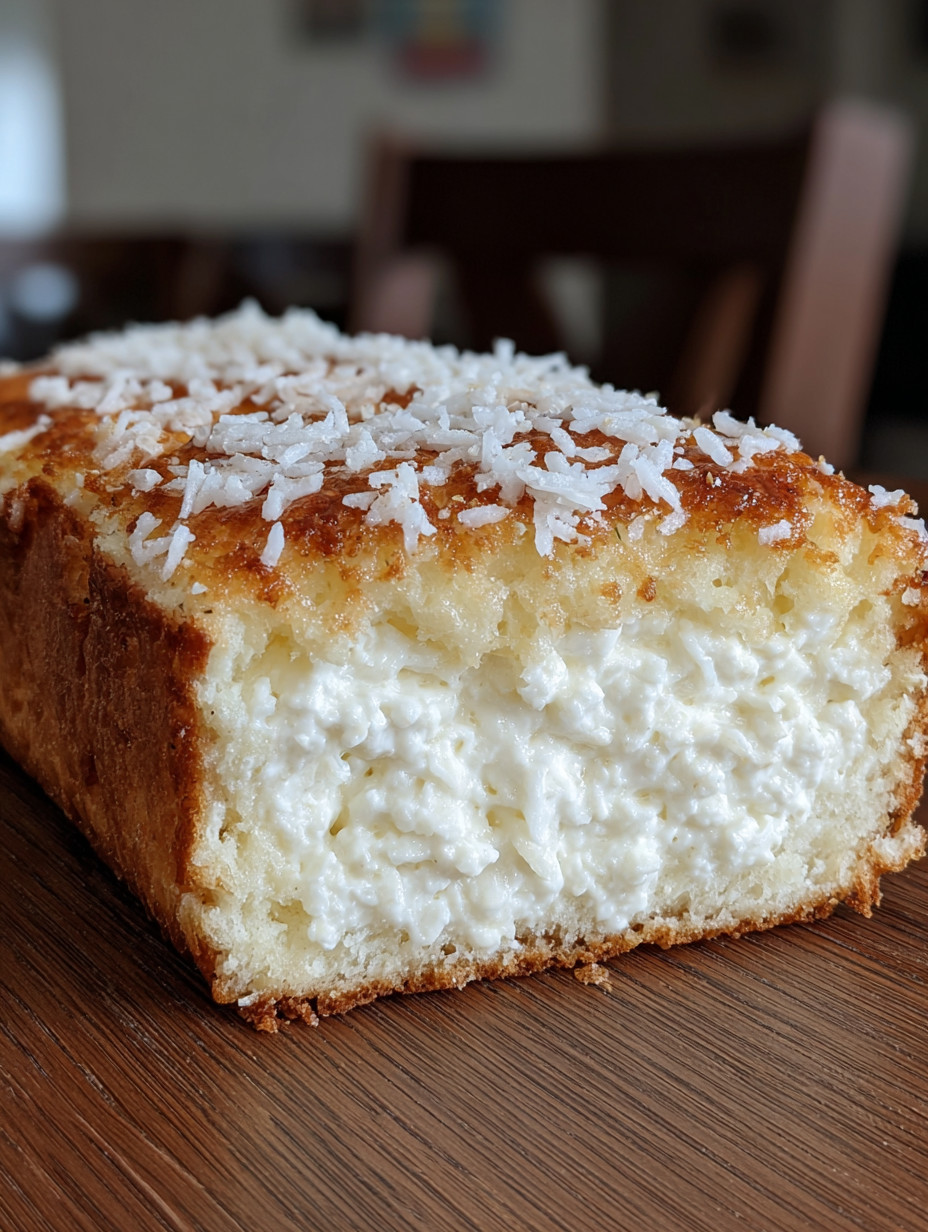
This cottage cheese bread is a moist and tender loaf that brings a fresh twist to your homemade bread repertoire. Its mild tang from the cottage cheese pairs beautifully with a subtle sweetness or savory herbs, making it versatile for any table. It has become my go-to bread when I want something straightforward yet different from the usual sandwich bread.
I first made this recipe when I ran out of buttermilk for my usual bread, and now it is a staple in my kitchen because it balances softness with a slight tang perfectly.
Ingredients
- Two cups cottage cheese: ideally low-fat for creaminess without excess moisture
- Four cups all-purpose flour: which provides structure to the bread
- Two tablespoons sugar: to feed the yeast and add gentle sweetness
- One tablespoon salt: for balancing the flavors and enhancing the dough
- One packet or two and a quarter teaspoons active dry yeast: for leavening make sure it is fresh for a good rise
- Quarter cup warm water: to activate the yeast warm but not hot to avoid killing the yeast
- Optional one tablespoon garlic powder: if you want a savory bread with a punch
- Optional one teaspoon honey: adds a subtle floral sweetness if you prefer it on the sweet side
- Optional two tablespoons fresh herbs like dill or parsley: for a fresh aromatic flavor boost
Step-by-Step Instructions
- Scoop Activate The Yeast:
- In a small bowl combine the warm water and yeast. Let it rest undisturbed for about five minutes until it becomes frothy. This step confirms your yeast is active and ready to help your dough rise.
- Blend The Wet And Dry:
- In a large bowl mix the cottage cheese sugar and salt together. Slowly pour in the frothy yeast mixture. Gradually add the all-purpose flour stirring with a wooden spoon or spatula until a shaggy dough forms.
- Knead Develop Gluten:
- Turn the dough onto a lightly floured surface. Knead with your hands for about ten minutes until the dough feels smooth and slightly elastic. You can also use a stand mixer fitted with a dough hook for this step to save time.
- Let The Dough Rise:
- Transfer the dough into a greased bowl. Cover with a clean kitchen towel or plastic wrap. Leave it in a warm place to rise for about one hour or until it has doubled in size.
- Shape And Proof Again:
- Gently punch down the risen dough to release excess air. Shape the dough into a loaf and place it into a greased loaf pan. Cover again and let it rise for another thirty minutes so it becomes puffy.
- Bake To Golden:
- Preheat your oven to 375 degrees Fahrenheit or 190 degrees Celsius. Place the loaf in the oven and bake for thirty to thirty-five minutes until the crust is golden brown and the loaf sounds hollow when tapped.
- Cool And Enjoy:
- Remove the bread from the pan. Transfer it to a wire rack to cool completely. Slicing while warm can result in a gummy texture so patience pays off here.
 Pin it
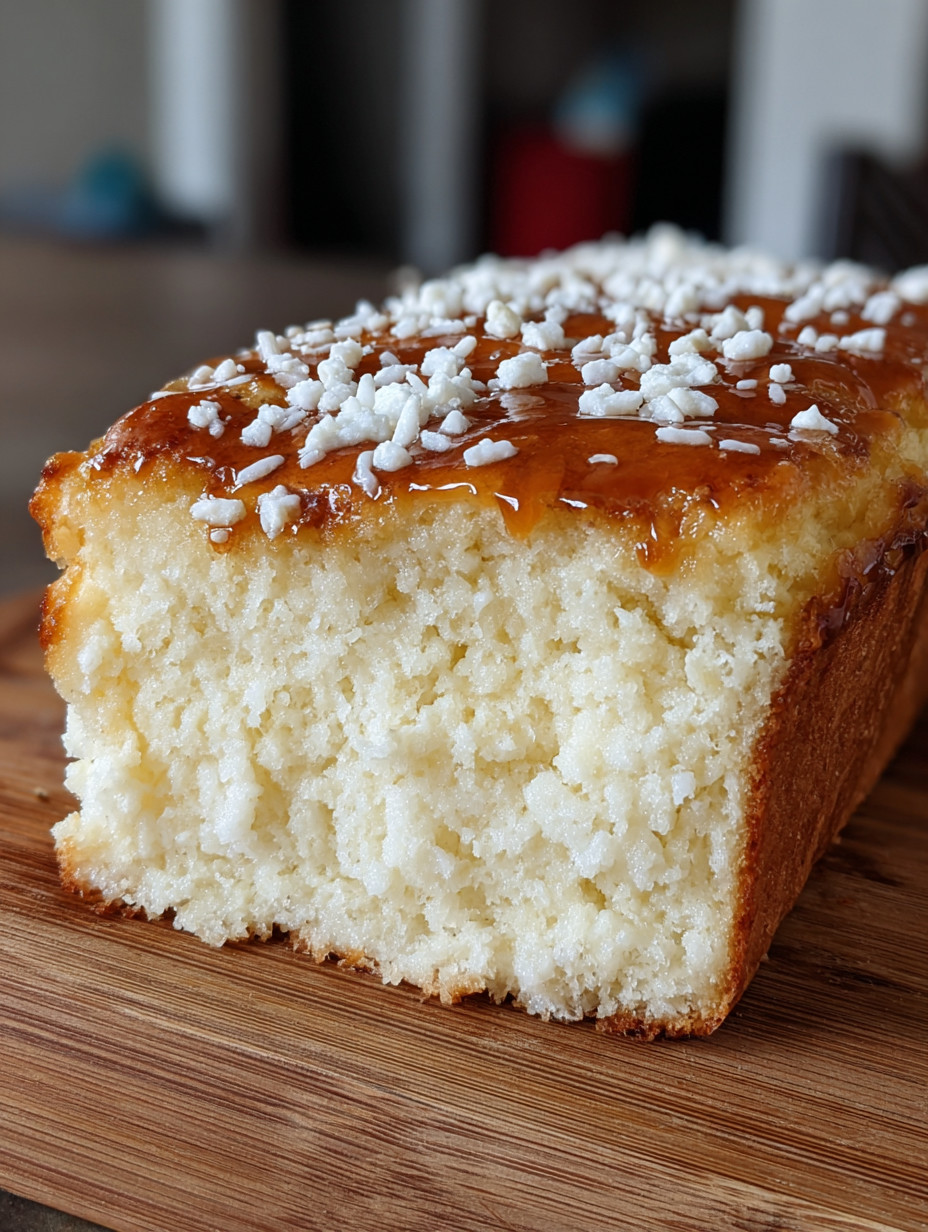
My favorite part about this recipe is how the cottage cheese adds moisture and a rich texture without using fats like butter or oil. One winter my family gathered around with warm slices spread with butter and jam and it was the perfect comfort food.
Storage Tips
Store this bread wrapped in airtight plastic or a clean kitchen towel at room temperature for up to three days. For longer storage slice it and freeze the slices in a resealable bag or container. Toast or warm the slices directly from frozen for best texture.
Ingredient Substitutions
If you do not have cottage cheese you can substitute with ricotta cheese for a similar creamy effect although the flavor will be milder. Whole wheat flour can replace half of the all-purpose flour to add nutty flavor and fiber but expect a denser loaf. If you prefer a dairy-free version, try plain unsweetened yogurt instead of cottage cheese but reduce added water slightly.
Serving Suggestions
This bread works beautifully with savory spreads like herbed cream cheese or avocado. It is also great sliced for sandwiches especially with fresh vegetables and deli meats. For breakfast try it toasted with honey or your favorite jam. The subtle tang of the bread enhances both sweet and savory toppings.
Cultural Context
Pin it
Cottage cheese bread is a humble recipe that showcases how dairy products can enrich bread’s texture and flavor. Similar recipes exist in Eastern European cooking where cottage cheese or farmer’s cheese is frequently incorporated into breads and pastries. It’s a great example of how simple ingredients create comforting staple foods across cultures.
Frequently Asked Questions
- → What makes the bread soft and tender?
The addition of creamy cottage cheese contributes moisture and richness, creating a soft crumb texture.
- → Can I add herbs or spices for flavor?
Yes, fresh herbs like dill or parsley, garlic powder, or a touch of honey can be added to enhance the taste.
- → How important is the dough rising time?
Allowing the dough to rise twice helps develop air pockets, resulting in a lighter, fluffier bread.
- → What is the ideal internal temperature when baking?
Bake until the bread reaches 190°F (88°C) internally to ensure it is fully cooked and perfect texture.
- → How should the bread cool after baking?
Remove it from the pan and cool on a wire rack to prevent sogginess and maintain crust crispness.
- → Can I substitute the all-purpose flour with another type?
While all-purpose flour is recommended, experimenting with whole wheat or bread flour may alter texture and rise.