
 Pin it
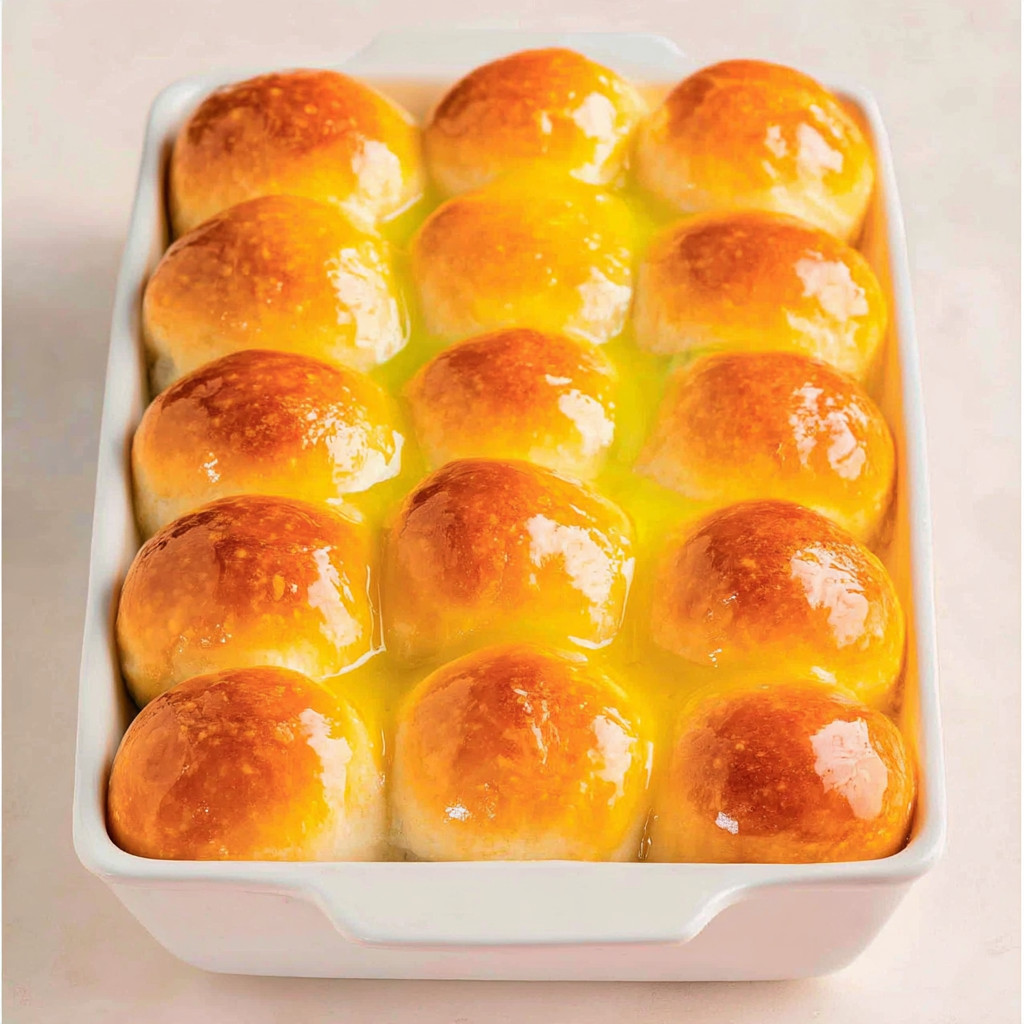
These homemade dinner rolls are incredibly light and fluffy with a rich buttery flavor that makes them a perfect side for any meal. The recipe carefully balances simple ingredients and plenty of rise time to create rolls that melt in your mouth. Whether it’s a holiday feast or a cozy weeknight dinner, these rolls always feel special.
These rolls have become a favorite in my household. I first made them to accompany a Sunday roast, and now they are requested regularly for family dinners and holidays alike.
Ingredients
- Quarter cup unsalted butter: sliced very thin for even melting and richness
- Quarter cup granulated sugar: adds a touch of sweetness to balance the salt
- One teaspoon kosher salt: enhances the flavor and controls yeast activity
- One and a quarter cups whole milk: warmed to between 105 and 110 degrees Fahrenheit to activate the yeast gently
- Two and a quarter teaspoons active dry yeast: is the key leavening agent. Choose fresh yeast for best rise
- One large beaten egg: enriches the dough giving softness and a golden color
- Three and a half cups all-purpose flour: provides structure. More may be needed to reach the right dough consistency
- One teaspoon vegetable oil: to coat the bowl and prevent sticking during the first rise
- Additional quarter cup unsalted butter: melted for brushing the baking dish and finishing the rolls for shine and flavor
Step-by-Step Instructions
- Slicing and Setting the Butter:
- Slice the butter very thinly and add it to the bottom of a stand mixer bowl along with the sugar and salt. This creates a flavorful base as everything slowly warms.
- Warming and Adding Milk:
- Warm the milk carefully in the microwave aiming for 105 to 110 degrees Fahrenheit to avoid killing the yeast. Pour one cup of it directly over the butter mixture to start softening the butter.
- Activating the Yeast:
- In the remaining quarter cup of warm milk, stir in the yeast and allow it to sit for about five minutes until it is foamy. This proof confirms the yeast is active and ready for baking.
- Combining Ingredients:
- Add the foamy yeast mixture and the beaten egg to the mixer bowl with butter, sugar, and milk. Stir gently to combine everything evenly.
- Mixing and Kneading the Dough:
- Attach the dough hook and add the flour one cup at a time. Scrape down the bowl to ensure even incorporation. Once the flour is fully blended, increase speed to medium-high and knead for about three minutes. Add small amounts of flour if the dough is too sticky but avoid over-drying.
- First Rise:
- Transfer the dough to a large bowl coated with vegetable oil. Turn the dough to coat it completely, cover with plastic wrap, and place it in a warm spot to rise until doubled in size, usually 1 to 2 hours.
- Preparing the Baking Dish:
- Melt some butter and brush a 9 by 13-inch baking dish lightly. This keeps the rolls from sticking and adds flavor to the crust.
- Shaping the Rolls:
- Punch down the risen dough to remove excess air. Divide it into 15 even portions. Stretch each piece lightly, tuck the ends underneath, pinch seams, and roll gently to form smooth balls.
- Second Rise:
- Arrange the dough balls seam side down in the buttered dish in five rows of three. Cover with plastic wrap and let rise again until doubled in size, approximately one hour.
- Baking:
- Preheat the oven to 350 degrees Fahrenheit. Remove the plastic wrap and bake the rolls for 20 to 25 minutes. They should turn golden brown and sound hollow when tapped, signaling they are cooked through.
- Finishing Touch:
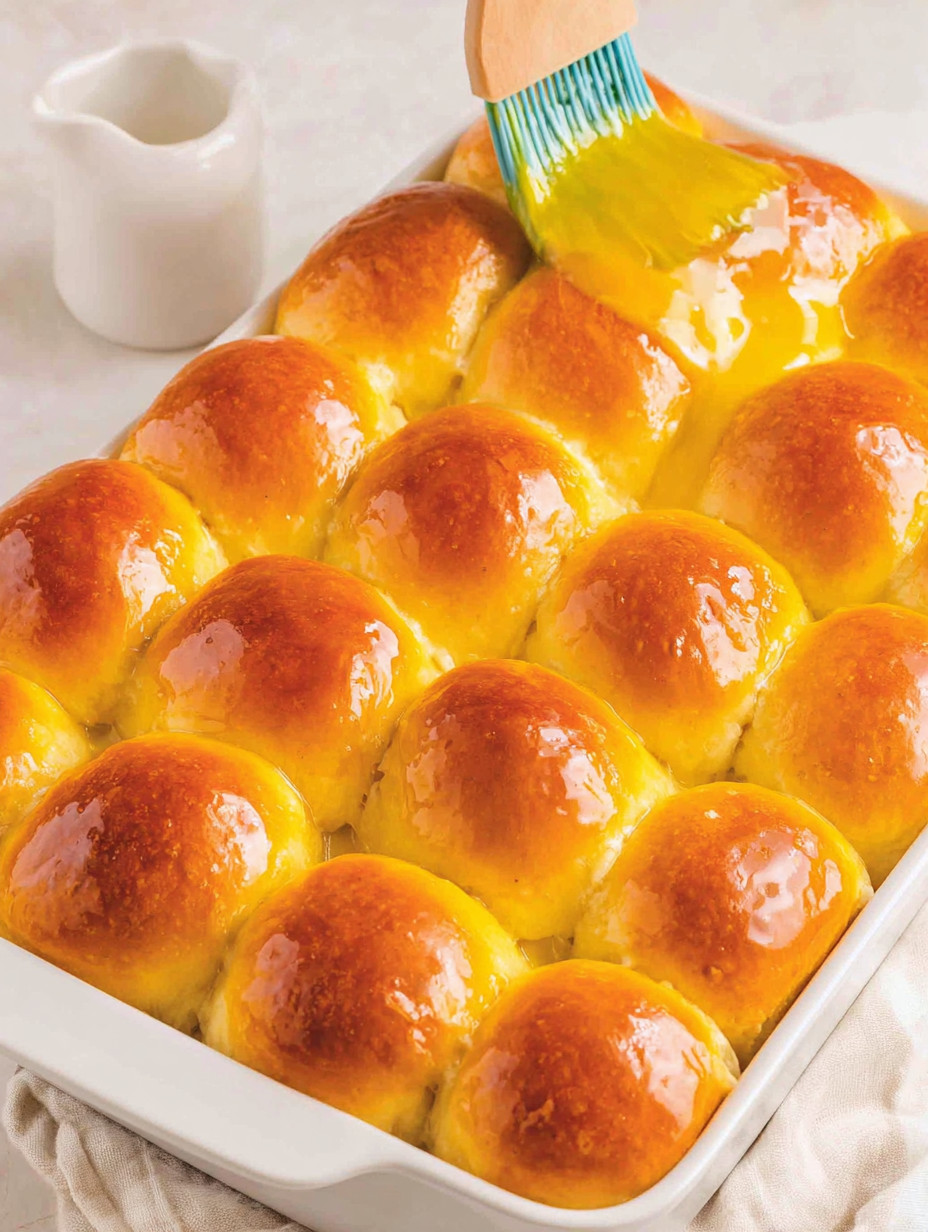
- Right after removing the rolls from the oven, brush the tops generously with the remaining melted butter to add moisture, shine, and a rich buttery flavor.
 Pin it
Storage Tips
- Store these rolls tightly wrapped at room temperature for up to two days to preserve softness.
- You can freeze the dough after shaping but before the second rise by wrapping the baking dish securely and thawing overnight in the refrigerator before baking.
- Baked rolls can be frozen in a sealed container for up to a month. Warm them in the oven or microwave before serving.
Ingredient Substitutions
- Whole milk gives the best richness, but you can use 2 percent milk with a slight difference in tenderness.
- If kosher salt is not available, use fine sea salt but reduce the quantity slightly to avoid over-salting.
- Butter is important for flavor, but you could substitute with a mild vegetable shortening if dairy allergies are a concern. Flavor will be less rich.
Serving Suggestions
- Serve these dinner rolls warm with honey butter or garlic herb spread for added indulgence.
- They pair beautifully with soups, stews, roasted meats, and holiday dinners.
- Try splitting them open and filling with leftover turkey or ham for quick sliders.
Cultural Context
 Pin it
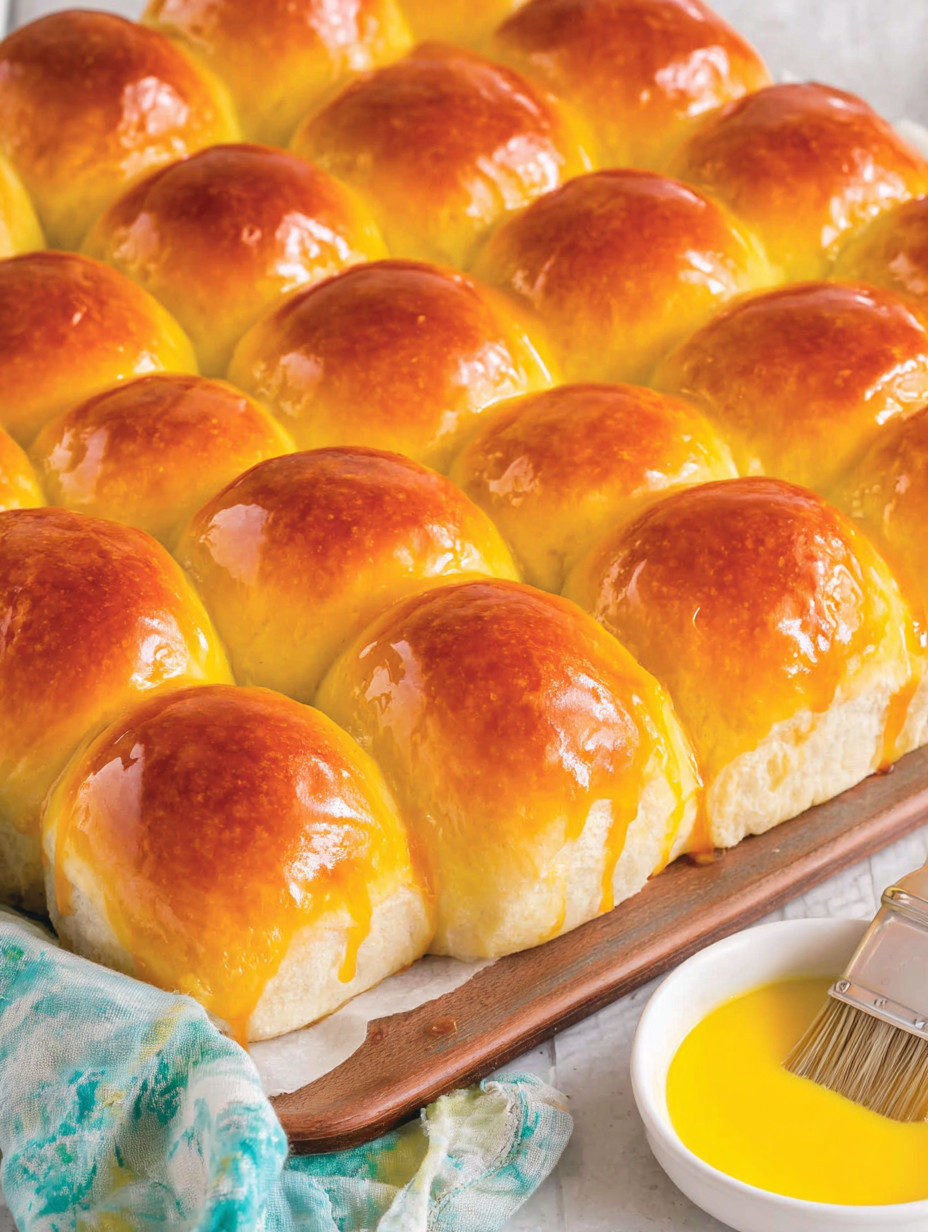
- Dinner rolls are a classic element in American home cooking and holiday meals, often symbolizing family togetherness.
- This style of soft, buttery roll has roots in traditional enriched yeast breads popular in both European and American kitchens.
- Their simple yet comforting character has made them a staple across many generations.
Frequently Asked Questions
- → How do I ensure my rolls come out soft and fluffy?
Use warm milk at 105-110°F to activate the yeast properly, knead the dough until smooth, and allow it to rise until doubled in size. This careful fermentation develops a soft texture.
- → Can I make the dough without a stand mixer?
Yes, you can mix and knead by hand until the dough is smooth and elastic. It may take a bit more effort, but results remain tender and fluffy.
- → What is the purpose of brushing melted butter on the rolls?
Brushing with butter after baking adds moisture and enhances flavor, giving the rolls a glossy, rich finish and a tender crust.
- → Can I freeze these bread rolls?
Absolutely, freeze them either before or after baking. When ready, thaw fully and warm gently to enjoy their fresh texture.
- → How do I know when the rolls are fully baked?
Bake until the tops turn golden brown and when tapped lightly, the rolls sound hollow—signs they are cooked through.