
 Pin it
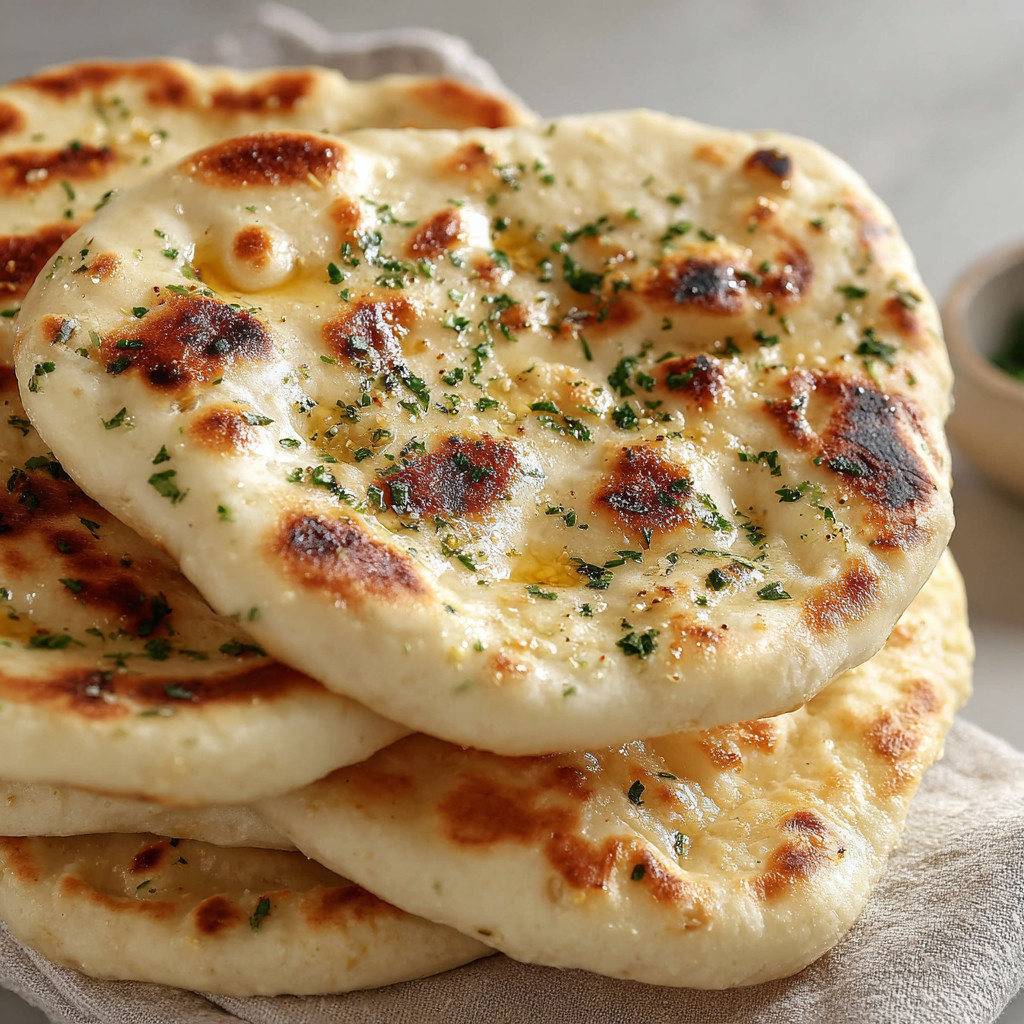
This No-Oven Turkish Bread, known as Bazlama, is my go-to recipe when I want fresh, fluffy flatbread but don't want to fuss with an oven. It’s simple to make with only three main ingredients and cooks right on the stovetop. Whether for a quick snack or alongside a hearty meal, this bread always delivers warmth and comfort.
I first tried this recipe during a chilly evening and loved how quickly it came together without heating the whole kitchen. Now it’s a family favorite that perfects every meal it joins.
Ingredients
- Bread flour or all-purpose flour: choose the freshest for best rise and chew
- Warm milk: adds richness and tenderness to the dough
- Warm water: hydrates and activates the yeast for perfect proofing
- Instant dry yeast: ensures a quick and reliable rise every time
- Sugar: feeds the yeast to boost fermentation and flavor development
- Salt: balances the dough’s taste and controls yeast activity
- Melted unsalted butter or olive oil: gives the bread a soft crumb and nice sheen on top
- Optional chopped parsley: adds freshness when serving
Step-by-Step Instructions
- Activate the Yeast:
- Combine warm milk, warm water, sugar, and instant dry yeast in a container. Mix well and let it sit until bubbles appear on the surface showing the yeast is alive and active.
- Make the Dough:
- Add the flour and salt to the yeast mixture. Stir to combine then knead the mixture by hand. Keep kneading until the dough feels smooth and no longer sticky. This process develops gluten which helps the bread rise and keeps it soft.
- Proof the Dough:
- Cover your dough with a cloth or plastic wrap and place it somewhere warm. Let it rest until it doubles in size. This takes about an hour and is when the dough gains flavor and volume.
- Divide and Shape:
- Once the dough has risen, punch it down gently and divide it into 6 equal pieces. Shape each piece into a tight round ball. Cover them with a plastic bag to prevent drying.
- Roll Out the Dough:
- Take each dough ball and roll it into a round shape about 18 centimeters wide and 5 millimeters thick. This thickness allows the bread to puff in the pan and become light.
- Heat the Pan:
- Place a thick, heavy pan over medium heat. Heating the pan thoroughly ensures even cooking and helps achieve the characteristic bubbles and puffs.
- Cook the Bread:
- Place one rolled dough piece on the hot pan. Let it cook undisturbed until many bubbles form on the surface then flip to the other side. This initial cooking locks in moisture.
- Adjust Heat and Cover:
- When the bread starts inflating or popping like a balloon it’s time to lower the heat to low. Cover the bread with a cloth to keep it moist and allow the center to cook through without burning the exterior.
- Repeat for All Pieces:
- Cook each dough round using the same steps until all six are done. Keep them wrapped lightly in a cloth to stay warm and soft.
- Finish and Serve:
- Brush the warm bread generously with melted butter or olive oil. Sprinkle chopped parsley if you like for a burst of fresh flavor. Enjoy your bread fresh while still warm.
 Pin it
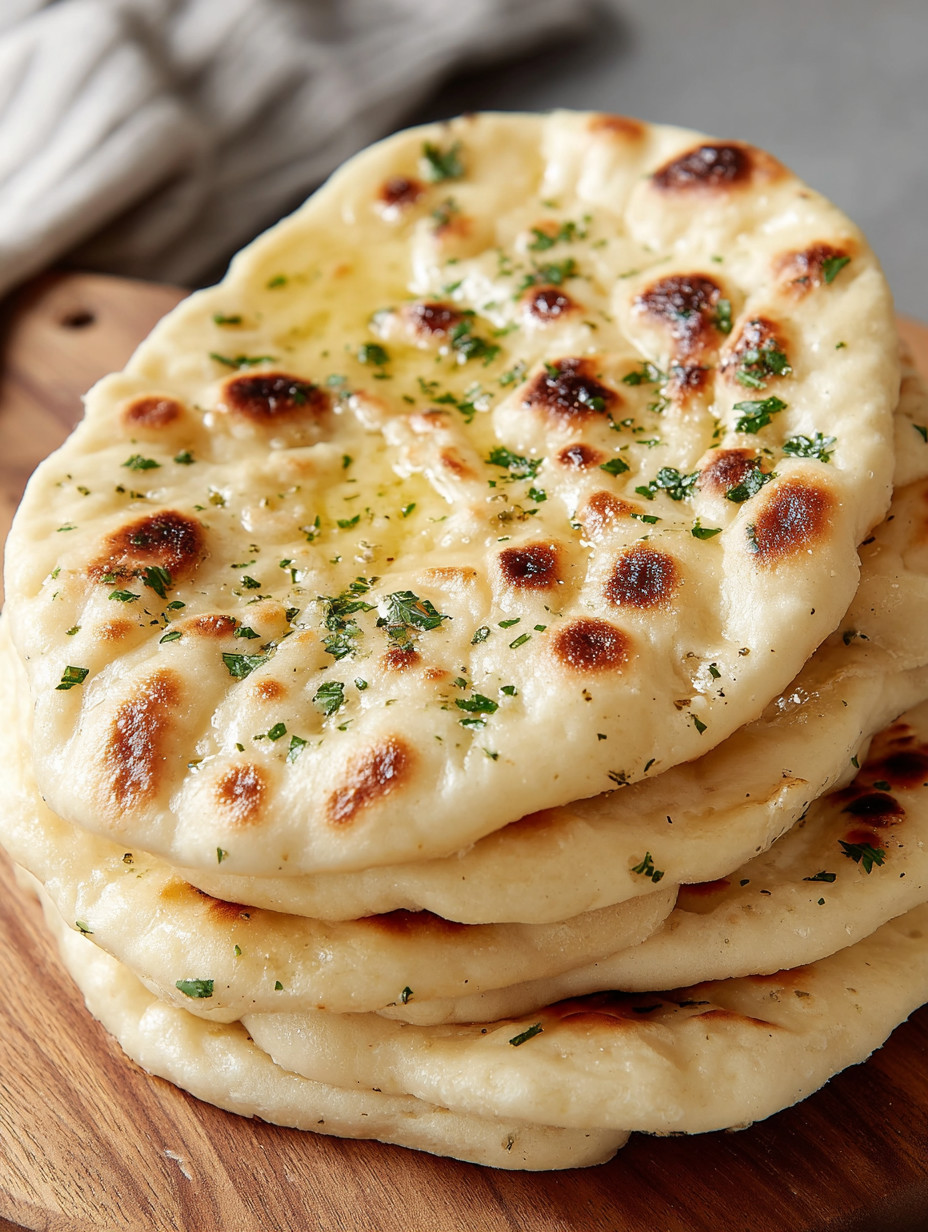
I love how the bread puffs up like a soft balloon in the pan. It reminds me of sharing freshly made Bazlama with family around the table on lazy Sunday mornings. The simplicity and warmth always bring everyone together.
Storage Tips
Let the bread cool completely before storing it in an airtight container or bag. It stays fresh for 2 days at room temperature but you can freeze leftover bread by wrapping it tightly. Thaw on the counter or warm briefly on the pan before serving.
Ingredient Substitutions
If you don’t have bread flour use all-purpose flour but the texture may be a bit less chewy. You can swap milk with water if dairy-free but the bread will be less rich. Olive oil works beautifully instead of butter for a different flavor profile.
Serving Suggestions
Serve Bazlama with butter and honey for breakfast or alongside savory dips like hummus and baba ganoush. It also makes a great base for sandwiches with grilled meats or fresh veggies and yogurt sauce.
Cultural Context
 Pin it
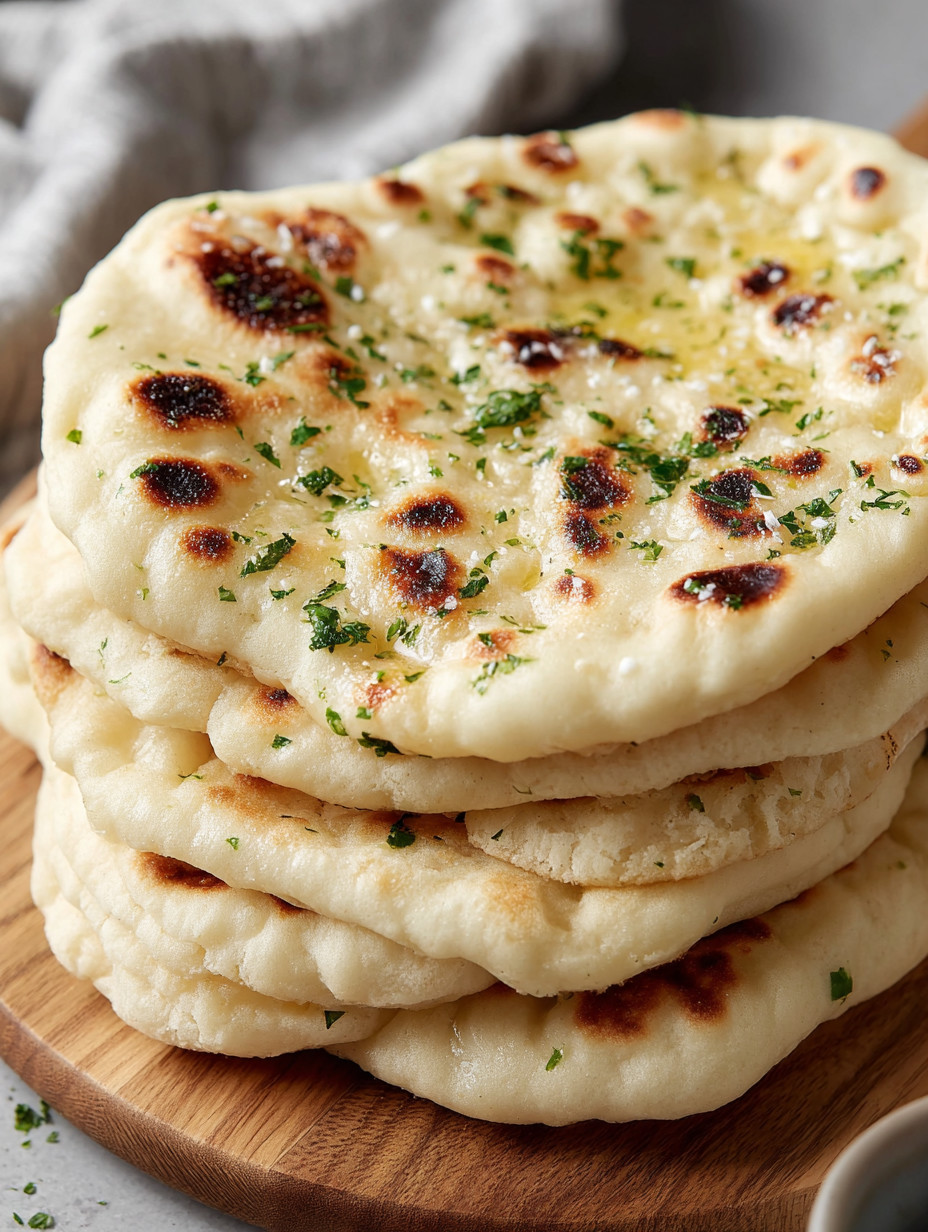
Bazlama is a traditional Turkish flatbread enjoyed throughout Turkey especially in rural areas as a fresh, daily staple. Its simplicity and stovetop cooking method reflect the resourceful, homey approach to bread baking in Turkish kitchens.
Frequently Asked Questions
- → What ingredients are essential for this flatbread?
Flour, warm milk, warm water, instant dry yeast, sugar, salt, and melted butter or olive oil form the base of this flatbread’s dough.
- → How do I know when to flip the bread during cooking?
Flip the bread once you see many bubbles forming on the surface, indicating the dough is cooking through evenly.
- → Why is the heat lowered after the bread puffs up?
Lowering the heat prevents burning and allows the bread to cook completely inside while maintaining a soft texture.
- → Can other fats be used instead of butter for brushing?
Yes, olive oil works well to brush the bread after cooking, adding flavor and moisture.
- → What type of pan works best for cooking this bread?
A thick-bottomed pan provides even heat distribution, helping the bread rise and cook uniformly on the stovetop.
- → Is it necessary to let the dough rise before cooking?
Yes, allowing the dough to double in size develops the texture needed for a soft, fluffy bread.